sábado, marzo 21, 2015

Los Angeles, San Francisco y Yosemite


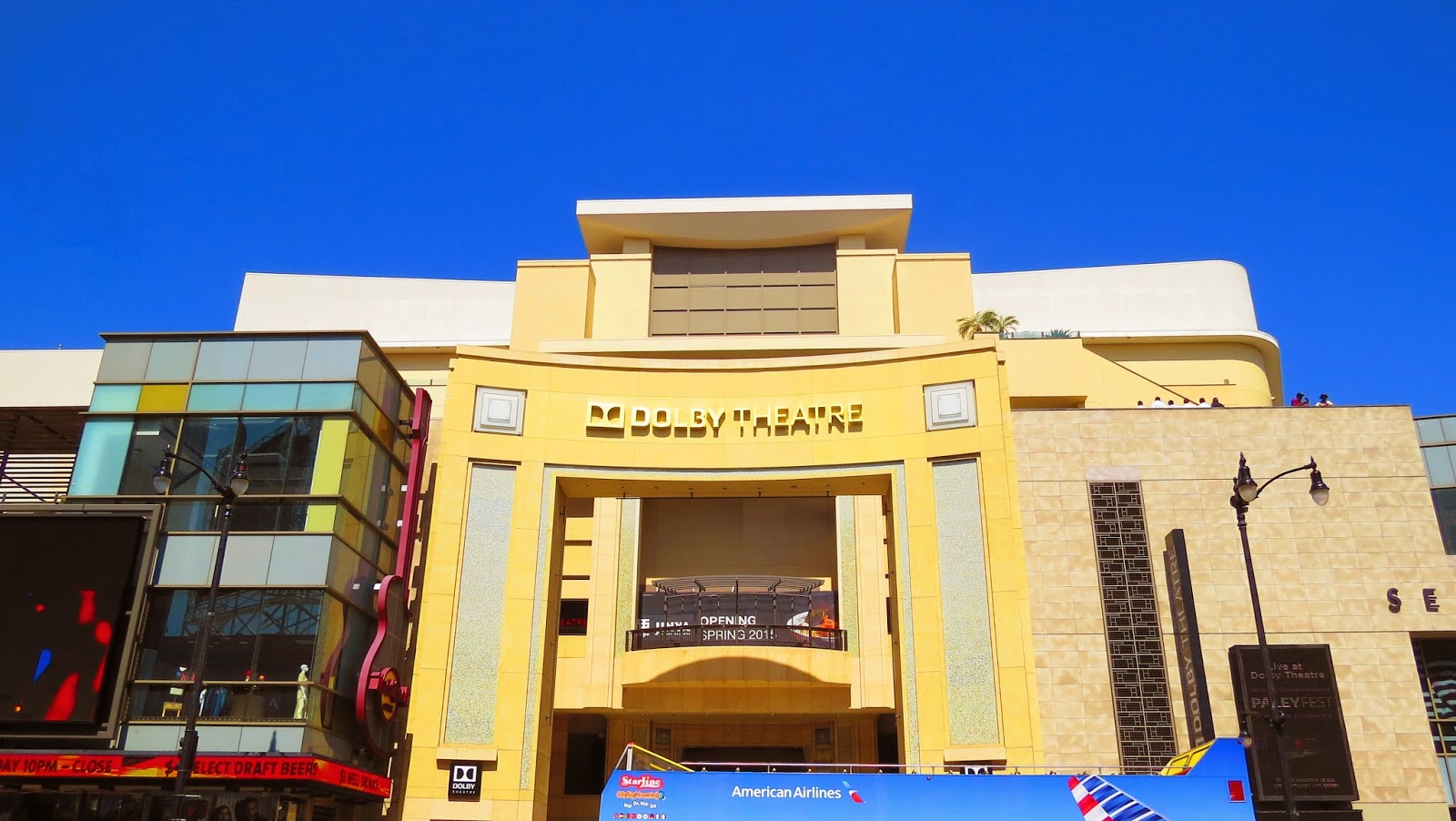
Cuando vives en Texas y vas por primera vez a California (al menos la primera vez después de nacer) piensas ver algo relativamente similar (fuera de la vegetación y los lugares turísticos como Hollywood o Beverly Hills). Lo primero que pensé al llegar a Los Ángeles, inclusive desde antes de aterrizar es que esto sigue siendo igual México. Si eres regio como yo, te vas a dar cuenta que casi toda la zona metropolitana de Los Ángeles se parece a la colonia María Luisa o la colonia Mirador en Monterrey. Si no eres regio pero sí eres mexicano, y de repente despiertas ahí puede que no tengas idea de estar fuera de México hasta que ves que los señalamientos están en inglés, y en algunas zonas, está lleno de anglosajones.  A pesar de seguir siendo California, la zona de San Francisco es un mundo completamente diferente.


Al llegar al aeropuerto de Los Ángeles, puede haber un cierto parecido a la calle Simón Bolívar en Monterrey. 


En la zona de Venice Beach, fuera de los canales de agua, podrías decir que estás en la colonia María Luisa, y una vez que llegas “al mercado del pueblo” podría ser un equivalente al mercado en la calle Juárez, esquina con Xicoténcatl, en el pueblo ficticio de Ixtlayótl. 


Una vez que llegas a la playa dices tú: “igual que en las películas y las series.” Santa Mónica es una continuación de este tipo de playa que sigue hasta Malibú (que medio se veía por tanta bruma y/o smog). A diferencia del mercado tipo pueblo de Venice Beach, Santa Mónica tiene un centro comercial al aire libre donde sólo la parte que está en la calle tiene algo de parecido a la calle Morelos en Monterrey.  


Algo que no tenemos en México son los parques de diversión tipo “Universal Studios,” que aunque pertenecen a compañías perseguidoras de dinero como Comcast, verdaderamente vale la pena conocerlo.


En cuanto a las casas de Hollywood y Beverly Hills, en general he visto mejores casas en colonias como Joyas de Venado, Renacimiento o Antiguo San Agustín en San Pedro o en las zonas ricas de Houston o Dallas. Por dentro pueden ser algo completamente distinto.


San Francisco, es otro mundo, pensarías que estas en un estado distinto al de Los Ángeles. Una ciudad más bonita para visitar.


Me esperaba un poco mas de Yosemite, pero me imagino que si no llevaran tanto tiempo en sequía grave se vería un poco mejor (incluso más si hubiera algo de nieve). A pesar de eso es un muy buen lugar para visitar.


¿Viviría yo en California? Se necesitan dos trabajos de tiempo completo para vivir en las ciudades grandes (o puede que hasta tres). Aunque Odessa no es la zona más bonita de Texas, ha sido una bendición. Houston o Dallas son ciudades más bonitas para mi gusto (con un costo de vida mucho más bajo), aunque San Francisco tiene algo que hace que quieras seguir yendo a visitar. Queda pendiente conocer los estudios de Warner Brothers, Malibú y posiblemente Orange County en la zona de Los Ángeles. En San Francisco queda pendiente conocer bien el Golden Gate Park. Queda pendiente también ir a Fairfield para aprender la ciencia de hacer jelly beans. Aunque Los Ángeles no me impresionó, me queda la tranquilidad de haber visto lo más importante. Antes de regresar a California queda pendiente ahorrar para regresar a Europa.

jueves, febrero 19, 2015

Why we should NOT go to Mars


Mars may or may not be the right place for you to be, but most likely, it is not for anyone except for a few top-notch scientists.

It is the most earthlike planet we'll ever reach. Days are about 24 and a half hour long. Because Mars has less gravity, we would weigh a lot less than on Earth, but there are lots of problems that we need to solve (which are either costly, nearly impossible, or both). First of all, we need oxygen. Second of all we need water (if you live in West Texas, you know what moisturizers are for). As far as I know, Mars is windy and dust storms may cover a huge part of the planet at times. Did I mention this? It is freaking cold out there, the average temperature is about -80˚F or -60˚C according to NASA.

Is there some hope? Yes. I recently read that there is a lot of carbon dioxide that remains frozen at the poles. If this is sublimated, it would trap more heat in the atmosphere. This would be enough heat to melt water and create Martian oceans. If we add heat and water to the martian atmosphere, could we get huge rain and/or winter storms? As it is a very windy planet (compared to Earth) I guess these storms would be much worse than the ones we have on Earth.

Can we transport seeds in order to get plants to take that carbon dioxide during the day and release oxygen at night? Maybe, but wouldn't it be easier to try and fix our problems here in the Earth? You bet.

If you can be entertained for six months on a spaceship (reading books, working out, staying online) and have lots of fun things to do while you're up there (and you're a top-notch scientist of course!) and don't mind all the weather inclemencies, then Mars MIGHT be the place for you to go.

lunes, febrero 09, 2015

Chocolate Syrup made with Honey and Dark Cocoa

Honey + dark cocoa + water = chocolate syrup


Good taste depends on whether you add the right amount of ingredients or not. It won't have those emulsifiers (what makes water and oil mix) and/or stabilizers that other commercial brands use. Because of this, it does not look like a uniform liquid, but it will be fat free!*


*The amount of fat that is naturally present in cocoa is perhaps insignificant. 

viernes, enero 23, 2015

West Texas Winter Wonderland


When it snows, for a moment, everything is right.


Yes, you still have bills to pay, grades to post, lessons to plan, but at that moment, you just forget about all your worries.


It started at around 7:30 AM on January 22nd, 2015. Wet snow began falling which turned heavy and began accumulating rapidly. A few hours later, heavy snow changed to flurries and most of the snow on the ground melted. During the daytime, the temperature was steady between 33 and 34 degrees. As the sun was setting, temperatures slowly dropped, snow slowly turned heavy again and began accumulating again. If my finger calculation was right, we might've had 3 inches on the ground in the morning of the 23rd (without counting all the snow that melted before the sun set the night before).


Coming from Monterrey, I never witnessed such a heavy snowfall event before, even though I have seen more snow in the mountains of Mexico and New Mexico.


This is not the first winter storm that we've had since I moved a year and a half ago. Thanks to that, I've drawn some preliminary conclusions (yes, even though I teach math, I am still a scientist) based on my observations:


1. Snow or ice is unlikely to accumulate during the daytime when the temperature is in the upper 20s (-2˚C) or higher. This explains why snow rarely accumulates in Monterrey (on those once or twice a decade events). This might be becuase the sun's energy warms the ground above freezing unless the temperature is below the lower 20s (-6˚C) when it is cloudy. I still need to see if the melting of the ice and snow would be the same when it is sunny.


2. Cars passing by help melt the snow or the ice on the roads (at least at certain temperatures not too far from freezing).


3. When snow falls and the temperature is way below freezing, snow is actually as dry as powder. It won't stick or stain your windshield.


Many people have known what I discovered for centuries, but they did not help me figure it out. It feels nice to do this by yourself, and then confirm it with those who have documented it before you.